A Zen Retreat with Ashikaga Legacy and Garden Tranquility

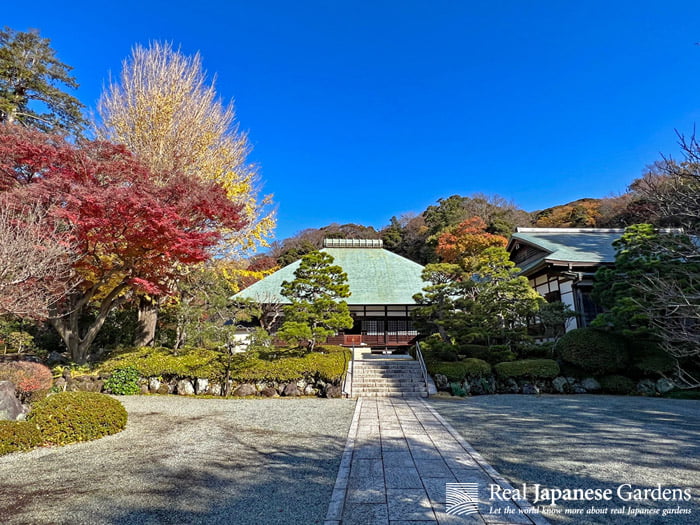
Tucked into the eastern hills of Kamakura, Jōmyō-ji stands as the fifth temple of the Kamakura Gozan, the Five Great Zen Temples. Founded in 1188 by Ashikaga Yoshikane, a samurai who served Minamoto no Yoritomo, the temple began as a Mikkyō (esoteric Buddhism) temple named Gokuraku-ji. Later, under the guidance of head priest Geppō Ryōnen, it transitioned to the Rinzai Zen sect and adopted its current name.

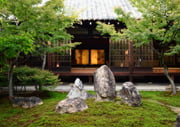
During the Muromachi period, Jōmyō-ji flourished as the family temple of the Ashikaga clan, the ruling shogunate of the era. At its peak, the temple complex encompassed seven buildings and several pagodas. Although many structures were lost to fires over the centuries, the main hall, reception hall, main gate, and warehouse remain, preserving the temple’s historical essence.

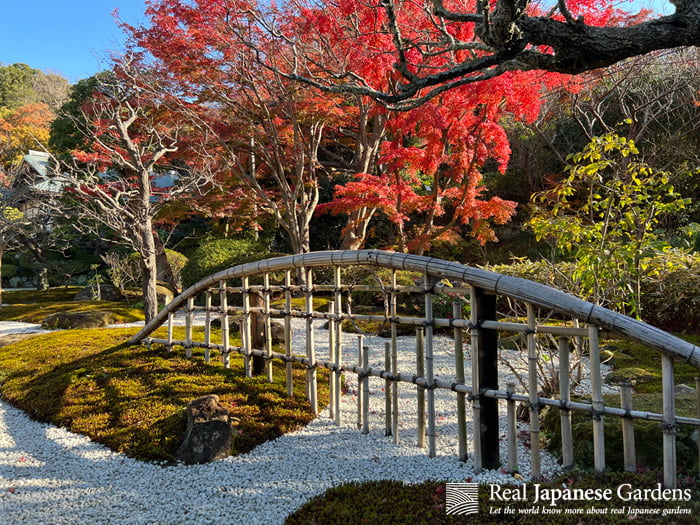
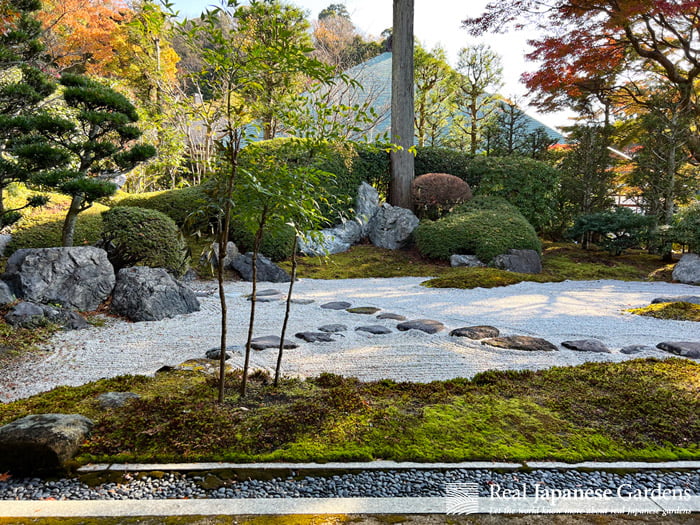
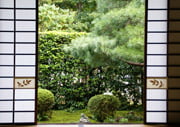
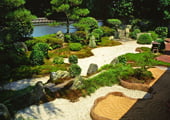
A highlight of Jōmyō-ji is the Kisen-an teahouse, restored in 1991. Here, visitors can savor a bowl of matcha accompanied by traditional wagashi while overlooking a meticulously maintained dry landscape garden. The teahouse offers both tatami seating and tables, accommodating various preferences.

Beyond the teahouse, the temple grounds feature an English-style garden and a Western-style restaurant, providing a unique blend of Japanese and Western cultural experiences. The serene environment, combined with the temple’s rich history, makes Jōmyō-ji a perfect retreat for those seeking tranquility and a deeper understanding of Japan’s Zen heritage.

Read more in our eBook!

eBook cover Jomyo-ji temple by Real Japanese Gardens

Jōmyō-ji Garden Guide

This eBook introduces Jōmyō-ji, a historic Zen temple in Kamakura. Founded in 1188, it features the Kisen-an teahouse, a tranquil dry landscape garden, and a unique English-style garden.
Perfect for history enthusiasts, garden lovers, and those seeking a peaceful retreat in Kamakura.
Learn more before your visit—or revisit from home.

Buy Now
  • Introduction
  • History of the temple
    • Five Zen Temple System
  • How Kamakura got its name (and which role Jōmyō-ji played)
  • The temple halls and treasures
    • Different roof shapes in Japan
  • The gardens
    • Kisen-an no niwa
    • Approach
    • English garden
  • Anika’s Impressions
  • Recommendations around Jōmyō-ji
    • Kamatari Inari Jinja
    • Kisen-an
    • Stone Oven Garden Terrace
    • Ichijo Ekan Sanso
  • How to get there

12 pages full of information about the temple
24 pictures, 6 illustrations of the gardens

PDF 14MB
The eBook is delivered as PDF.

Gallery

Subscribe to our Newsletter

Marketing Permissions

Agree to hear from Real Japanese Gardens:

You can unsubscribe at any time by clicking the link in the footer of our emails.
We use Mailchimp as our marketing platform.

Directions

How to get to the garden

Take the bus 鎌23 from the Kamakura main station. After 6 stops (about 8 min), get off at the bus stop Jōmyō-ji (浄明寺). From the bus stop, walk up the next street on the left side until reaching the gate of Jōmyō-ji.

View Google Map (Google Website)

Address

  • EN: 8-31, Jomyoji 3-chome, Kamakura, Kanagawa 248-0003
  • JP: 〒248-0003 神奈川県鎌倉市浄明寺3丁目8−31

Opening times

  • 9:00 – 16:30

Admission fee

  • Adults: 100 yen
  • Children: 50 yen
  • Tea with dry sweets: 660 yen
  • Tea with fresh sweets: 1100 yen

Facilities & Accessibility

  • Restaurant: Garden Terrace 10:00 – 17:00 (Closed on Mondays and Year's End, entry through the temple.)
  • Tea House: Kisen-an 10:00 – 16:30 (last entry: 16:00)
  • NICO GARDEN SHOP
  • The temple is not barrier-free.

Best time to visit

  • March for plums in the approach area.
  • May for azaleas in the dry landscape garden behind the tea house.
  • Summer for flowers at the Garden Terrace Restaurant.
  • Late November - early December for autumn colors.

Map