An introduction to common plants used in Japanese gardens and cityscapes

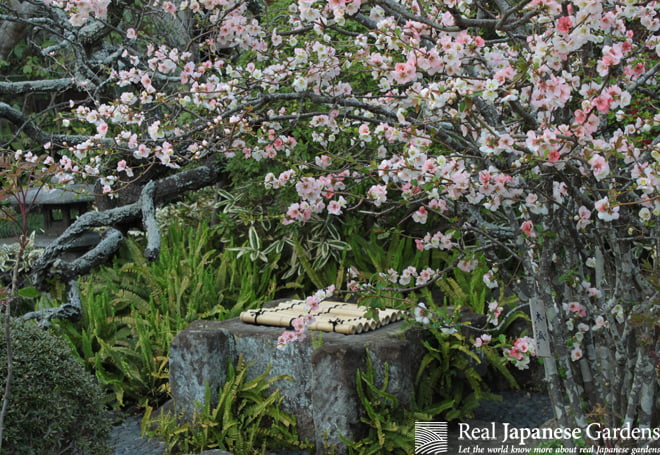
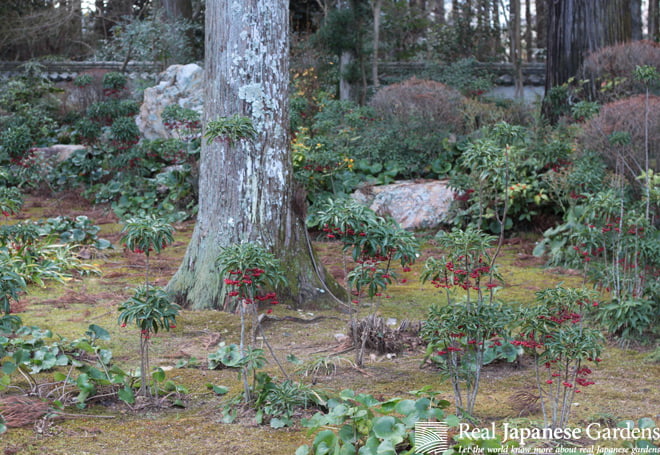
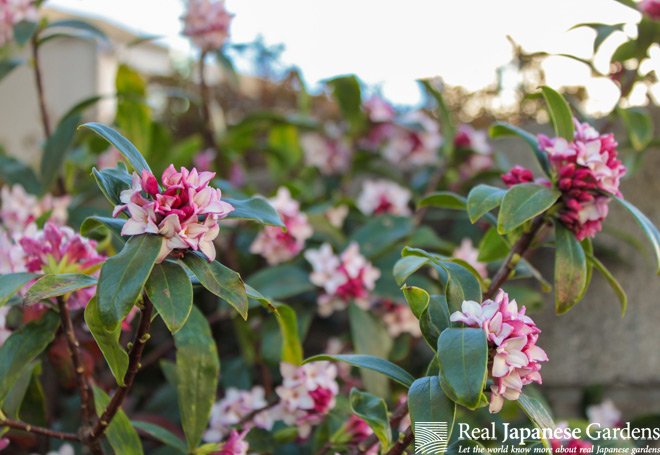
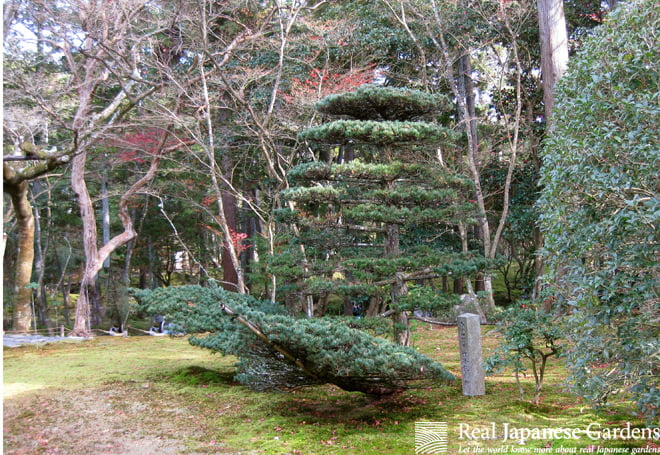
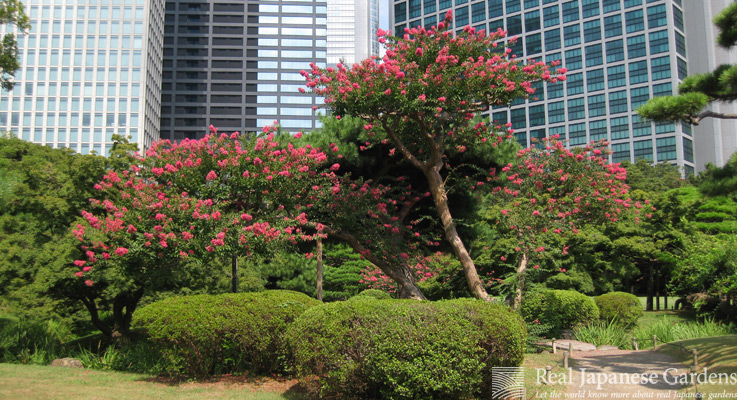
Plants play a vital role in shaping the mood, structure, and seasonality of Japanese gardens. In these first volumes, we highlight some of the most common plants seen in gardens throughout Japan.

Some of these plants appear frequently in what we call traditional Japanese gardens. Others, while not classic choices, are still deeply rooted in the visual fabric of modern Japanese cityscapes. Together, they form a living language that connects past and present.

Moreover, many of these species are chosen not only for their appearance, but also for their seasonal symbolism. For example, pines represent longevity, while maples mark the arrival of autumn. Even in compact urban courtyards, these plants continue to offer beauty and meaning.

As you explore the books, you’ll gain a better understanding of why certain plants appear again and again across different garden styles in Japan. You’ll also see how even everyday city greenery draws on centuries of cultural tradition.

These books are a starting point for anyone looking to learn more about the plant life in Japanese gardens—whether you’re a designer, enthusiast, or simply curious.

Read more in our eBooks!

eBook cover Plants in the Japanese Garden vol 1 by Real Japanese Gardens

Plants in the Japanese Garden Vol. 1

This book introduces essential plants found in traditional gardens and modern cityscapes across Japan. With clear examples and cultural insights, this volume explores why plants like pine, bamboo, and maple appear so often in Japanese outdoor spaces. A practical reference for gardeners and lovers of Japanese aesthetics.

See a list of the plants in the eBooks Contents tab.

Buy Now
  • Introduction
  • Explanation to plant symbols and USDA Hardiness
  • Trees
    •   7 different trees
  • Shrubs
    •   15 kinds of shrubs
  • Perennials & Bulbs
    •   15 colorful perennials and bulbs
  • Bamboo & Moss
    •   5 mosses and 4 types of bamboo
  • Ferns
    •   6 ferns
  • Glossary
  • Credits

28 pages
57 pictures of plants

PDF 105MB
The eBook is delivered as PDF.

(Japanese maple, Yoshido Cherry, Mochi Tree, Crape myrtle, Japanese red pine, Japanese White pine, Japanese Black Pine, Chocolate Vine, Coralberry, Japanese laurel, Chinese trumpet vine, Flowring quince, Sakaki tree, Winter Daphne, White enkianthus, Gardenia, Hortensia, Thunberg’s bushclover, Japanese Andromeda, Satsuki Azalea, Sarcandra herb, Japanese wisteria, Cast-iron plant, Hyacinth orchid, Spotted bellflower, Florist’s daisy, Nadeshiko (pink), Leopard plant, Japanese iris, Lilyturf, Red spider lily, Mondo grass, Chinese peony, Balloon flower, Sacred lily, Toad lily, Violet, Common apple-moss, Broom forkmoss, Hypnum moss, Hair moss, Racomitrium moss, Bambusa multiplex, Giant timber bamboo, Moso bamboo, Veitch’s bamboo, Japanese painted fern, Japanese holly fern, Dryopteris, Ostrich fern, Fishbone fern, Spikemoss)

eBook cover Plants in the Japanese Garden vol 2 by Real Japanese Gardens

Plants in the Japanese Garden Vol. 2

This book continues the exploration of Japan’s garden plants. This volume focuses on lesser-known species that still play a central role in both urban landscapes and garden design. It’s a useful companion to Volume 1, perfect for anyone studying Japanese garden plant species or working on their own outdoor space.

See a list of the plants in the eBooks Contents tab.

Buy Now
  • Introduction
  • Explanation to plant symbols and USDA Hardiness
  • Trees
    • 10 different trees
  • Shrubs
    • 12 kinds of shrubs
  • Perennials & Bulbs
    • 15 colorful perennials
  • Bamboo & Moss
    • 3 mosses/liverworts and 6 types of bamboo
  • Ferns
    • 4 ferns
  • Glossary
  • Credits

27 pages
55 pictures of plants

PDF 19MB
The eBook is delivered as PDF.

(Camphor tree, Japanese dogwood, Japanese cedar, Ginkgo, Kobus magnolia, Hall’s crabapple, Buddhist pine, Oriental cherry, Japanese emperor oak, Wax tree, Japanese beautyberry, Japanese camellia, Wintersweet, Thorny olive, Japanese aralia, Japanese holly, Japanese kerria, Heavenly bamboo, Sweet olive, Tree peony, Kaempfer azalea, Snowrose, Amur adonis ‘Fukujukai’, Flaccid anemone, Calanthe, Barrenwort, Asian fawnlily, Japanese horseradish, Mountain plantain lily, Houttuynia, Fringed iris, Lotus, Asian woodland peony, Sweet coltsfoot, Chinese lantern, Japanese primrose, Creeping saxifraga, Hypnum moss, Common liverwort, Plagiomnium moss, Black bamboo, Dwarf fern-leaf bamboo, Simon bamboo, Arrow bamboo, Chishima zasa, Okame bamboo grass, Five-finger fern, Hart’s tongue fern, Bracken, Zenmai)

Gallery

Read more about plants in our Blogs:

  • 5 Bulbs for your Japanese garden

      Summer is in full swing, we only want to sit somewhere doing nothing, but the garden is calling already. It’s time for planting bulbs! Today I would like to introduce what kind of bulbs or rhizome-building plants are going well with a Japanese garden. Some people think that flowers don’t belong in a Japanese…

  • Moss in the Japanese garden

    This post was a request by one of our followers on Instagram. If you want me to cover a special topic, feel free to contact me! Moss is commonly seen as a signature plant for a Japanese garden. Although not every Japanese garden will be covered with moss, it is still widely spread. Usually, it…

  • Japanese tree shapes 樹形 Jukei

    When study gardening, one topic will eventually cross the ambitioned student: tree shapes. Today I want to introduce the tree shapes you might learn in Japan. These are, of course varying slightly from the typical forms in Europe or America. Some of them are unique to Japan. Tree shapes Natural shapes Oval shape 卵形 tamago-gata…

  • Midoritsumi and Momiage – Pruning Pines

    Pines in Japanese gardens are pruned twice a year. In my company in Germany, where we hadn’t so much time, we only did all the tasks together once in early summer, which is possible too, but not desirable. Here in Japan, my first company did both, Midoritsumi in early summer, and Momiage in late autumn. The…

  • Ginkgo biloba – イチョウ – 銀杏

    Today I would like to introduce a tree, which can be seen everywhere in Japan. This blog was a request by one of our readers. Ginkgo biloba (Maidenhair tree, Ginkgo tree) Japanese name: Ichou Kanji: 銀杏, 公孫樹, 鴨腳樹 Etymology: The Kanji were adopted by Japanese from China. Engelbert Kaempfer, who collected illustrations from Japan’s flora…

  • Some tips for creating a real Japanese garden at your home.

    I won’t show “bad example” pictures and link to bad articles here! If you search via Google, I am sure you will find a lot by yourself. When I see links promising me to teach me how to built a Japanese garden in only a few steps, I just can’t withstand and have to follow…

Subscribe to our Newsletter

Marketing Permissions

Agree to hear from Real Japanese Gardens:

You can unsubscribe at any time by clicking the link in the footer of our emails.
We use Mailchimp as our marketing platform.