Mirei Shigemori Garden Museum(重森三玲邸)
A bold fusion of modern garden design and Edo-period tradition in the heart of Kyoto Hidden in Kyoto’s quiet Sakyo Ward, the Mirei Shigemori Garden Museum offers a unique blend of tradition and innovation. The house itself is a machiya—a wooden townhouse built in 1789, during the late Edo period. In 1943, Mirei Shigemori, one […]
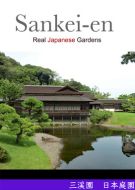
Sankei-en(三溪園)
A Modern Garden Preserving Japan’s Architectural Heritage Sankei-en is a spacious traditional Japanese landscape garden located in Yokohama. Though one of Japan’s youngest gardens, it reflects centuries of history through its carefully transplanted buildings and timeless design. The garden was created by Sankei Hara, a wealthy silk merchant, who began construction in 1902 and opened […]
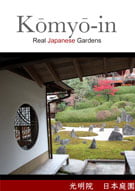
Komyo-in (Tofuku-ji)(光明院)
A Hidden Zen Gem with Shigemori’s Masterpiece Garden Kōmyō-in, a peaceful sub-temple of Tōfuku-ji in Kyoto, was founded in 1391 during the Muromachi period by Kinzan Myōshō, a respected Rinzai Zen monk. Although some temple buildings were destroyed during the anti-Buddhist movement in the Meiji era, the temple was restored by 1911. In 1939, the […]
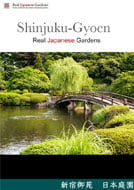
Shinjuku Gyoen(新宿御苑)
A Garden Retreat in the Heart of Tokyo Shinjuku Gyoen is one of Tokyo’s largest and most diverse parks, featuring one of the city’s most beautiful Japanese gardens. Located just steps away from Shinjuku Station, this vast landscape blends tradition and modernity with ease. It includes a Japanese garden, a formal French garden, and an […]
Adachi Museum of Art (足立美術館)
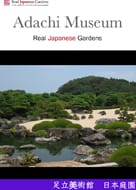
Where Japanese Gardens and Art Meet Adachi Museum of Art in Shimane Prefecture was founded in 1980 by Adachi Zenko, a local textile wholesaler with a deep passion for Japanese paintings and gardens. At the age of 71, he established the museum to share his art collection and his love for gardens with the public. […]
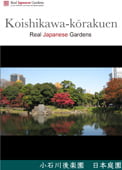
Koishikawa Korakuen(小石川後楽園)
Edo-Period Garden Tranquility in the Heart of Tokyo Koishikawa Kōrakuen(小石川後楽園)is one of Tokyo’s oldest surviving gardens, a beautifully preserved example of an Edo-period strolling garden. Begun in 1629 by Tokugawa Yorifusa, the son of Shogun Tokugawa Ieyasu, it was completed in 1669 by his son Tokugawa Mitsukuni, with the guidance of the Chinese Confucian scholar […]
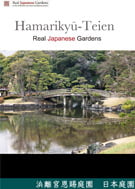
Hamarikyu Teien(浜離宮恩賜庭園)
A Strolling Garden by Tokyo Bay with Shogunal History Hamarikyū Teien is a spacious Edo-period strolling garden located along Tokyo Bay. Originally designed by the Tokugawa shogunate, the garden reflects the power and refinement of the era. Its tidal ponds are unique—connected to the bay, the water levels rise and fall with the tide, creating […]
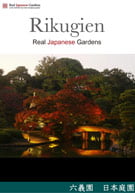
Rikugien(六義園 )
A Classical Edo-Period Garden Rooted in Poetry Rikugien(六義園)is one of Tokyo’s most elegant and refined Edo-period strolling gardens, located in the quiet neighborhood of Komagome in Bunkyo ward. Built between 1695 and 1702 by Yanagisawa Yoshiyasu—a samurai official under shogun Tokugawa Tsunayoshi—the garden was inspired by classical Waka poetry and originally featured 88 miniature scenes […]
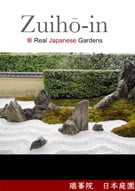
Zuiho-in (Daitoku-ji)(瑞峯院)
A Zen Garden Rooted in Christian History Zuihō-in, part of the Daitoku-ji temple complex in Kyoto, stands out not only for its striking gardens but also for its unusual origins. It was founded in 1546 by Ōtomo Sōrin, a powerful Christian daimyo, as his family temple. Remarkably, Zuihō-in still preserves its original architecture, having survived […]
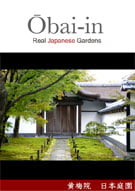
Obai-in (Daitoku-ji)(黄梅院)
Daitoku-ji’s Hidden Gem of Moss, Stone, and Autumn Beauty Ōbai-in(黄梅院)is a rarely accessible sub-temple of Daitoku-ji in Kyoto, renowned for its exquisite moss-covered garden—considered one of Japan’s finest. Open only for a few weeks in November, the temple reveals its full charm during the autumn foliage season. Founded in 1562 as Ōbai-an, the temple is […]
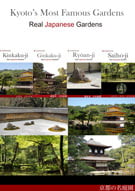
Ryoan-ji(龍安寺)
Japan’s Iconic Zen Rock Garden of Mystery and Balance Ryōan-ji is perhaps Japan’s most famous rock garden. The site originally belonged to the Fujiwara clan during the Heian period (794–1185). In 1450, warlord Hosokawa Katsumoto purchased the estate and founded Ryōan-ji temple. After being destroyed in the Ōnin War, the temple was rebuilt by Katsumoto’s […]
Saiho-ji (Koke-dera)(西芳寺 (苔寺))
Kyoto’s Legendary Moss Temple and Masterpiece of Zen Garden Design The garden of Saihō-ji is considered by many to be Kyoto’s most beautiful garden and is listed as a UNESCO World Heritage Site. It is especially famous for its lush moss garden, which has earned it the popular name Koke-dera (苔寺), or Moss Temple. In […]
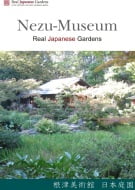
Nezu Museum(根津美術館)
A modern museum with an elegant stroll garden in central Tokyo The Nezu Museum in Tokyo’s Minami-Aoyama district holds a prestigious private collection of Japanese and East Asian art. From calligraphy and ink paintings to Buddhist sculptures, ceramics, and textiles, its exhibits cover a wide range of artistic traditions. The museum’s origin dates back to […]
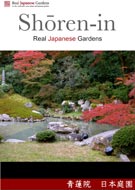
Shoren-in(青蓮院)
A historic Tendai temple in Kyoto with two famous gardens and imperial heritage A Kyoto temple of imperial heritage and two historic gardens Shōren-in stands among the five Monzeki temples in Kyoto. These temples traditionally appoint head priests from the imperial family. It belongs to the Tendai sect, one of Japan’s oldest schools of Buddhism. […]
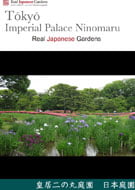
Tokyo Imperial Palace Ninomaru Gardens(東御苑の二の丸庭園)
A peaceful Japanese garden in the historic heart of Tokyo The Tokyo Imperial Palace Ninomaru Gardens lie within the former second defensive circle of Edo Castle. Today, they are part of the East Gardens of the Imperial Palace, open to the public and easy to reach from Tokyo Station. Historically, this area once held the […]
Tokyo National Museum(東京国立博物館)
A hidden garden filled with history and traditional teahouses The Tokyo National Museum Garden in Ueno Park offers more than just seasonal beauty. It also preserves five historic buildings, each relocated from various parts of Japan. One highlight is Tengōan (転合庵), a teahouse originally designed in Kyoto by the famous tea master Kobori Enshū (小堀遠州). […]
Tonogayato Teien(殿ヶ谷戸庭園)
An early 20th-century garden retreat just outside Tokyo Tonogayato Teien is a Japanese landscape garden located near Tokyo, built between 1914 and 1916 during the Taisho period. Originally, the garden served as the private residence of the vice president of the Manchurian Railway Company. Later, in 1929, a member of the influential Iwasaki family acquired […]
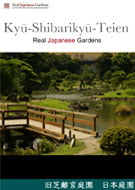
Kyu-Shiba-Rikyu Teien(旧芝離宮庭園)
A Samurai Garden Amid Tokyo’s Skyline Kyū-Shibarikyū is one of Tokyo’s oldest surviving pond-strolling gardens (回遊式泉水庭園), created in the Edo period on land reclaimed from Tokyo Bay in 1658. Originally the residence of Ōkubo Tadatomo, a daimyō and official of the Tokugawa shogunate, the garden follows a layout typical of samurai-style architecture (武家造, Buke-zukuri). After […]
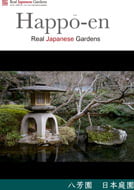
Happo-en(八芳園)
A Wedding Garden with Centuries of History Located in Tokyo’s Shirokanedai district, Happō-en blends timeless natural beauty with elegant modern use. Today, this historic site primarily serves as a picturesque backdrop for traditional Japanese weddings and banquets. Despite its popularity as an event venue, Happō-en welcomes casual visitors as well, offering access to its kaiseki […]
Funda-in (Tofuku-ji)(芬陀院 東福寺)
A Quiet Temple with a Garden by Sesshū Funda-in is a serene sub-temple of Tōfuku-ji in Kyoto, often missed by visitors heading to the main hall or better-known sub-temples. However, those who take the time to explore it are rewarded with historical depth and refined garden design. Founded in 1321 during the Kamakura period, Funda-in […]
Asakura-choso-kan(朝倉彫塑館)
The Sculptor’s Sanctuary in Tokyo’s Yanaka District Asakura Chōso-kan is a hidden gem in Tokyo’s Yanaka district. Once the home and studio of renowned sculptor Fumio Asakura (1883–1964), the building now serves as a museum. It blends Western and Japanese design and houses both artwork and personal relics from the artist’s life. Asakura designed the […]
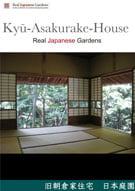
Kyu-Asakurake House(旧朝倉家住宅)
A Tranquil Taishō-Era Retreat in Shibuya Nestled amidst the vibrant streets of Shibuya, the Kyū-Asakura House offers a serene glimpse into early 20th-century Japan. Constructed in 1919 by Torajirō Asakura, a prominent politician and chairman of the Tokyo Prefectural Assembly, this two-story wooden residence exemplifies Taishō-era architecture. Remarkably, it withstood both the Great Kantō Earthquake […]
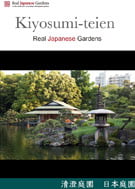
Kiyosumi Teien(清澄庭園)
A Meiji-Era Garden of Stones and Serenity in Tokyo Nestled in the Fukagawa district of Tokyo, Kiyosumi Teien is a tranquil Japanese stroll garden that seamlessly blends natural beauty with historical significance. Originally part of the Edo-period residence of the wealthy merchant Kinokuniya Bunzaemon, the garden later became the suburban estate of Kuze Yamato no […]
Kyu-Furukawa Teien(旧古河庭園)
A Harmonious Blend of Western Elegance and Japanese Serenity Kyū-Furukawa Teien is a historic garden in Tokyo’s Kita Ward, celebrated for its rare blend of Western architecture and a traditional Japanese landscape. The estate dates back to 1917, when Baron Toranosuke Furukawa, a powerful industrialist, commissioned its construction. Josiah Conder, a British architect who profoundly […]
Mukojima-hyakka-en(向島百花園)
A rare Edo-period flower garden still blooming today Located in Tokyo’s Sumida Ward, Mukōjima-Hyakka-en is a unique historic garden built between 1804 and 1830. Unlike many Japanese gardens from the Edo period, this one was not created by a feudal lord or as part of a private residence. Instead, an antique dealer named Sahara Kikū […]
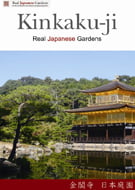
The Golden Pavilion (Kinkaku-ji)(金閣寺 鹿苑寺)
Kyoto’s Iconic Golden Pavilion and Muromachi Garden Masterpiece Kinkaku-ji (金閣寺), formally known as Rokuon-ji (鹿苑寺), is one of the most famous temples in Japan and a defining symbol of Kyoto’s cultural heritage. The sight of the golden pavilion shimmering above the mirror pond, framed by pine trees and stone islands, creates an image so striking […]
The Silver Pavilion (Ginkaku-ji)(銀閣寺 (慈照寺))
The Silver Pavilion and the Spirit of Wabi-Sabi in Kyoto Ginkaku-ji (銀閣寺), also known as the Silver Pavilion, is one of Kyoto’s most iconic Zen temples. Located on the city’s eastern hills, it was built by Ashikaga Yoshimasa, the grandson of Ashikaga Yoshimitsu, who commissioned the famous Kinkaku-ji. While its golden counterpart shines with opulence, […]
Daisen-in (Daitoku-ji)(大徳寺、大仙院)
A Zen Garden Journey Through Life Do you want to experience Zen Buddhist philosophy firsthand and meet a Zen priest who might even make you laugh? Do you want to walk the same paths where key figures of Japanese history once lived and trained? Then Daitoku-ji and its sub-temple Daisen-in in northern Kyoto are the […]
Meigetsu-in(明月院)
Kamakura’s Hydrangea Temple with Zen Roots Meigetsu-in(明月院)is a Zen temple in Kita-Kamakura, best known for its vibrant hydrangea blossoms (ajisai) that draw thousands of visitors every June. The vivid blue flowers fill the temple grounds during the rainy season, earning it the popular nickname Ajisai-dera (Hydrangea Temple). Founded in 1383 during the Muromachi period by […]
Jomyo-ji(浄妙寺)
A Zen Retreat with Ashikaga Legacy and Garden Tranquility Tucked into the eastern hills of Kamakura, Jōmyō-ji stands as the fifth temple of the Kamakura Gozan, the Five Great Zen Temples. Founded in 1188 by Ashikaga Yoshikane, a samurai who served Minamoto no Yoritomo, the temple began as a Mikkyō (esoteric Buddhism) temple named Gokuraku-ji. […]
Hasedera(長谷寺)
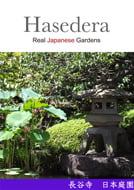
Hydrangeas, Kannon, and Ocean Views in Kamakura Nestled in the hills of Kamakura, Hasedera Temple—also known as Hase Kannon—combines sacred history with natural beauty. It is said to be the second oldest temple in the city and serves as the fourth stop on the Kantō thirty-three Kannon pilgrimage. Visitors come not only for spiritual reasons […]
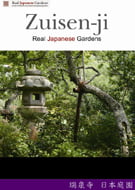
Zuisen-ji (Flower Temple)(瑞泉寺 (花寺))
Kamakura’s Hidden Flower Temple in the Eastern Hills Zuisen-ji, also known as the Flower Temple, is a small temple tucked into the eastern mountains of Kamakura. Its nickname comes from the flower garden in front of the main hall, which many consider the most beautiful in Kamakura. The temple is a branch of Engaku-ji in […]
Hokoku-ji(報国寺)
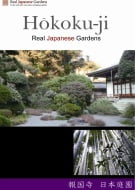
Kamakura’s Bamboo Temple of Zen and Samurai Legacy Hōkoku-ji is a small Zen temple in Kamakura, world-famous for its bamboo grove of more than 2,000 mōsō bamboos. For this reason, it is also known as Take-dera, the Bamboo Temple. The temple was founded in 1334, shortly after the fall of the Kamakura shogunate. Ashikaga Ietoki, […]
Kencho-ji(建長寺)
Japan’s Oldest Zen Monastery and a Garden of the Mind Kenchō-ji (建長寺) is the oldest Zen training monastery in Japan and holds the highest rank among the Kamakura Five-Mountain temples (五山). Completed in 1273 during the Kamakura period (1192–1333), it introduced formal Zen architecture and spiritual practice to Japan on a grand scale. The temple […]
Engaku-ji(円覚寺)
Engaku-ji – Kamakura’s Temple of Perfect Enlightenment Engaku-ji is the second most important Zen temple in Kamakura and one of the great temples of the Kamakura period. It lies just north of the city centre in Kita-Kamakura, where the train station now stands on what once was temple ground. The railway cuts off the entrance […]
Erin-ji(恵林寺)
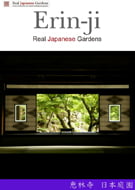
Zen Gardens and Samurai History Erin-ji Temple in Yamanashi is a quiet yet historically significant Zen temple, surrounded by the peaceful beauty of the mountains. It was founded in 1330, when Nikaidō Sadafuji, the military governor of Kai-no-kuni, invited the renowned Zen priest and garden designer Musō Soseki (夢窓 疎石), also known as Musō Kokushi, […]
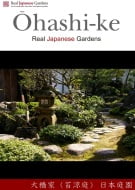
Ōhashi-ke(大橋家庭園)
Historic private garden in Fushimi Inari with Kyoto’s oldest Suikinkutsu The Ōhashi-ke garden lies quietly in the Fushimi Inari area of southern Kyoto. Although small, it offers a rare feature: Japan’s oldest Suikinkutsu (水琴窟), a hidden water instrument that creates delicate sounds. A Suikinkutsu is a jar buried under a basin. As water drips through […]
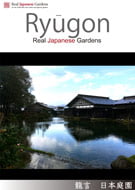
Ryugon (龍言)
Luxury ryokan in Niigata combining tradition and refined modern design Ryugon is one of the most iconic guesthouses in Japan, located in Niigata’s Snow Country. While it now operates as a luxury ryokan, its roots lie in a deep respect for traditional Japanese architecture. The story begins in 1964, when Utsugi Toshio, the founder, returned […]
Nishimura-ke and Umetsuji-ke (西村家 梅辻家 社家町)
Historic priest residences near Kamigamo Shrine in Kyoto The Nishimura and Umetsuji residences are traditional homes in Kyoto, once inhabited by priests of Kamigamo Shrine. These houses belong to a special category called Shake (社家)—residences of hereditary Shinto priest families. In the past, it was common for the role of head priest to be passed […]
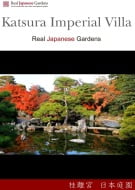
Katsura Rikyu(桂離宮)
An Edo-Period Masterpiece of Architecture, Tea Culture, and Poetic Garden Design Katsura Rikyū (桂離宮), also known as Katsura Imperial Villa or Katsura Detached Palace, is one of Japan’s most important cultural treasures. Built in the early Edo period for Prince Toshihito, the garden reflects his refined literary taste and includes many references to the classic […]
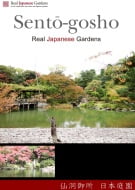
Sento Gosho (Sento Imperial Palace)(仙洞御所)
A Refined Imperial Garden Rooted in Poetry and Power Sentō Gosho is a historic strolling garden in Kyoto, originally created in 1630 as the retirement grounds of Emperor Go-Mizunoo. Though the palace buildings were lost to fire and never rebuilt, the garden remains a masterpiece of early Edo-period landscape design. The garden was created under […]
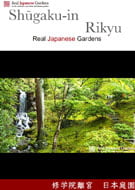
Shugaku-in Rikyu(修学院離宮)
Kyoto’s Imperial Garden Retreat with Spectacular Borrowed Scenery Shūgaku-in Rikyū is a unique imperial garden in Kyoto, featuring three separate gardens rather than a single cohesive layout. These gardens are connected by scenic gravel paths that wind through rice fields and farmland, creating a serene contrast to Kyoto’s more formal palace grounds. In the mid-17th […]
Auspicious plants in Japanese Gardens(縁起の良い植物)
Symbolic plants that bring luck, blessings, and tradition into your garden Around the world, plants carry symbolic meaning. For instance, the lily often represents purity, while the daisy symbolises loyal love and innocence. These associations offer beauty but also emotional depth. In Japan, certain plants are known as “Engi no ii” (縁起の良い植物)—meaning auspicious plants. These […]
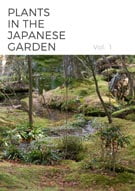
Plants in the Japanese Garden(日本庭園 植物)
An introduction to common plants used in Japanese gardens and cityscapes Plants play a vital role in shaping the mood, structure, and seasonality of Japanese gardens. In these first volumes, we highlight some of the most common plants seen in gardens throughout Japan. Some of these plants appear frequently in what we call traditional Japanese […]
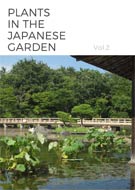
Plants in the Japanese Garden Vol. 2(日本庭園 植物 Vol.2)
Exploring additional plant species used in Japanese gardens and urban greenery Plants continue to be a core feature of both traditional and modern Japanese gardens. In this second volume, we introduce more key plant species that shape the look and feel of outdoor spaces across Japan. While not every plant listed here is typical in […]
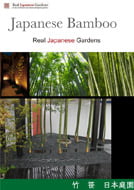
Bamboo in the Japanese garden(竹と笹)
A versatile plant deeply rooted in Japanese garden tradition In Japan, bamboo is everywhere—you’ll find it in the mountains, along rivers, and in strolling gardens, tea gardens, and private homes. It is more than just a plant; it is a material, a symbol, and a constant presence in daily life. From houses and fences to […]
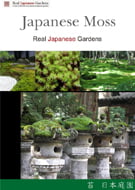
Moss in the Japanese Garden(苔)
A guide to moss and its role in traditional and modern Japanese gardens Moss is one of the most distinctive plants in Japanese gardens. It adds a soft, natural texture and appears on stone lanterns, trees, and garden paths. In the right conditions, it will even cover entire surfaces, creating a carpet-like effect that defines […]
The Art of Gravel Pattern in the Japanese Garden(砂紋)
Raked gravel transforms Japanese gardens into meditative landscapes When people think of Japanese gardens, they often imagine Zen gardens with raked gravel patterns. These minimalist spaces, marked by subdued colours and sparse vegetation, invite the eye to rest and the mind to settle. In these gardens, the gravel patterns become a quiet form of expression. […]
Bamboo Fences in the Japanese Garden – Tall and Low(竹垣)
Discover how tall and low bamboo fences guide movement and define space with quiet elegance In Japanese gardens, fences are more than just boundaries—they shape the way visitors move, look, and feel within the space. While walls appeared earlier in Japanese architecture, fences only began to flourish during the Kamakura period (1185–1333). Since then, they […]
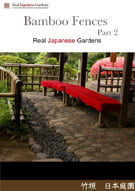
Bamboo Fences – Part 2(竹垣)
Low bamboo fences shape movement and space in Japanese gardens In Japanese gardens, fences do more than just divide spaces—they guide the visitor’s journey and enhance the overall experience. Although walls appeared earlier in Japanese design, fences became widely used during the Kamakura period. Thanks to bamboo’s strength and flexibility, it soon became a favoured […]
Paths and Stepping Stones in Japanese Gardens(通路・飛石)
Discover how paths and stepping stones guide pace, mood, and perception in Japanese gardens In Japanese gardens, paths do more than connect spaces—they shape how visitors move, observe, and feel. For instance, wide, neatly paved walkways near buildings encourage a relaxed pace and allow for conversation. On the other hand, narrow paths made of uneven […]
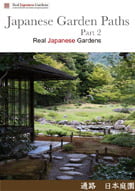
Japanese garden paths – Part 2(通路)
How stepping stones in Japanese Gardens change pace, mindset, and movement In Japanese, stepping stones are called “tobi-ishi” (飛石), which translates to “flying stones” or “skipping stones.” Unlike smooth, paved paths, these stones demand focus. Visitors must make small, deliberate steps—or even jumps—from one stone to the next. This simple change profoundly affects how one […]
Stone Arrangement in Japanese Gardens(庭石・石組み・景石)
Discover the foundations of Japanese garden design through stone setting In a Japanese garden, stone arrangement plays a fundamental role. More than just decoration, stones provide structure, meaning, and spiritual depth. In fact, the oldest Japanese garden manual describes the act of garden-making as “ishi wo taten koto”—erecting stones. Even today, Zen gardens are often […]
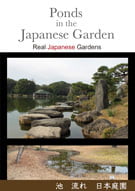
Ponds in the Japanese garden(池・流れ 日本庭園)
Explore the meaning, design, and evolution of ponds in Japanese gardens In Japanese garden design, ponds are essential. They reflect the sky, guide the visitor’s eye, and hold deep symbolic meaning. According to the Sakuteiki, the oldest Japanese gardening manual, a proper garden must include water, rocks, and plants. Without water, a garden feels incomplete. […]
Japanese Garden History: From Courtly Ponds to Meditative Rock and Naturalistic Stroll Gardens
Explore how Japan’s evolving society shaped centuries of garden design To truly appreciate Japanese gardens, one must also understand the historical currents that shaped them. Over time, changes in power, philosophy, and daily life transformed garden design—each era leaving a distinct imprint on the landscape. We begin in the Heian period (794–1185), when Japan’s imperial […]
Japanese Garden History Part 2 – Kamakura to Momoyama Period(日本庭園歴史 鎌倉時代 – 安土桃山時代)
Discover how power shifts shaped Japan’s dry landscape and tea garden traditions To fully appreciate Japanese gardens, it helps to understand the historical forces that shaped them. As political power shifted away from the imperial court during the Kamakura (1185–1333), Muromachi (1336–1573), and Momoyama (1573–1600) periods, so too did garden design evolve. During these centuries, […]
Japanese Garden History Part 3 – Edo to Heisei Period(日本庭園歴史 江戸時代- 平成時代)
Experience how Japan’s changing society shaped strolling and natural gardens To fully understand Japanese gardens, it helps to follow their evolution alongside Japan’s political and social changes. From the Edo (1603–1868) to the Heisei period (1989–2019), Japan experienced peace, modernization, war, and recovery—each leaving its mark on garden design. In the Edo period, daimyo lords […]