A Hidden Gem of Zen and Tea Culture at Daitoku-ji

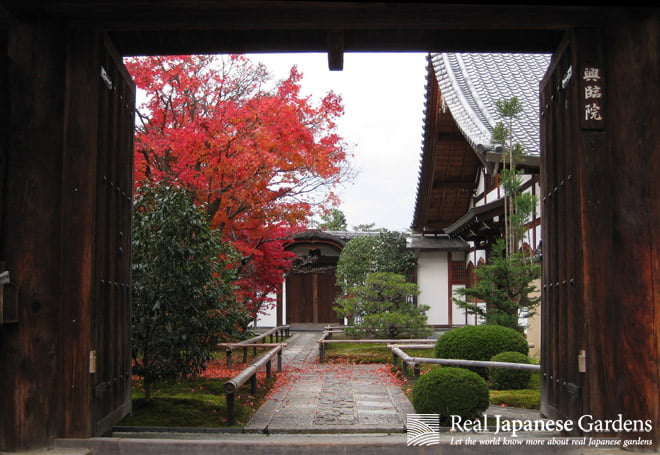
Kōrin-in (光林院) is a peaceful sub-temple in the large Daitoku-ji temple complex in Kyoto. It was founded in 1520 by the powerful Hatakeyama clan as their family temple.

The main hall, called the Hōjō (方丈), is built in the shoin-zukuri style. This style was popular in the Muromachi period (1336–1573). Therefore, features tatami floors, sliding doors, and a display area called a tokonoma. The hall was designed for both quiet living and formal meetings, blending elegance with simplicity. Through that, its structure reflects the values of order, respect, and calm found in Zen life.

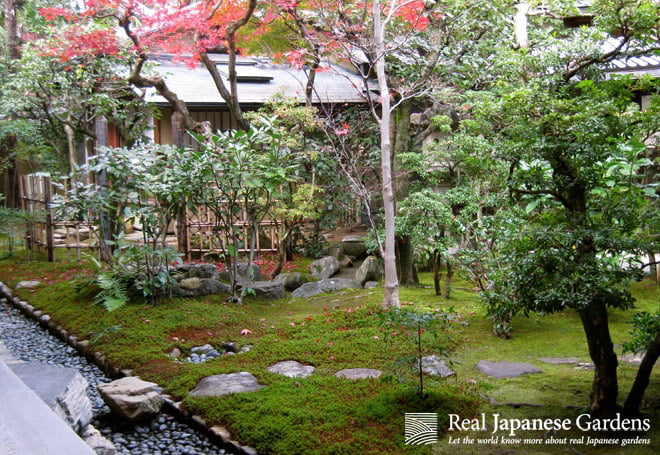
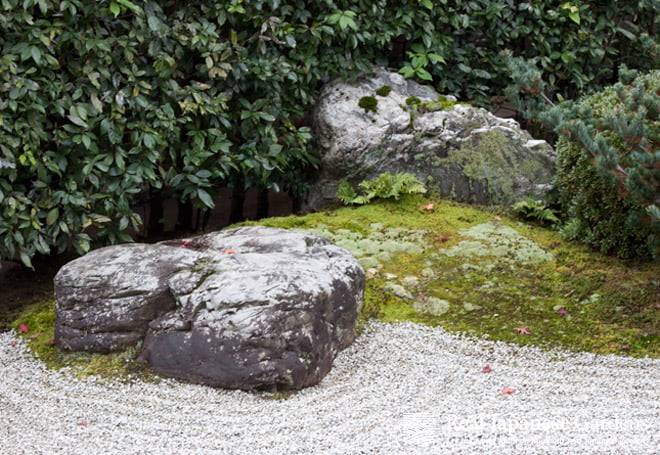
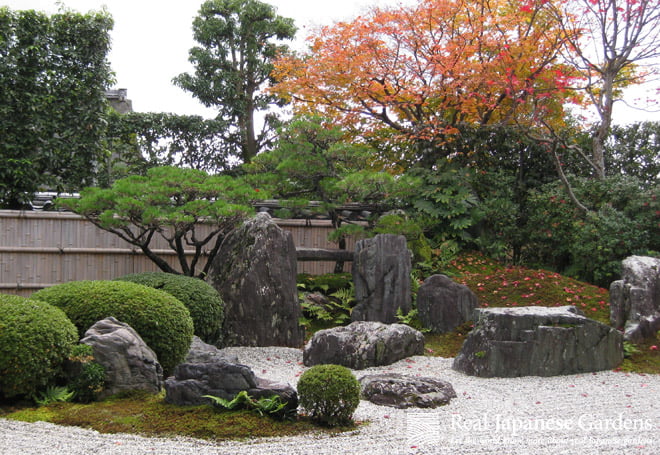
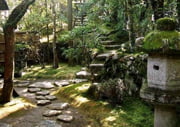
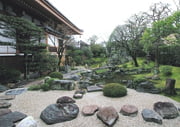
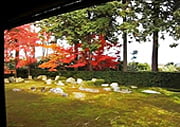
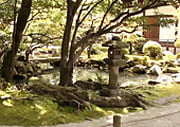
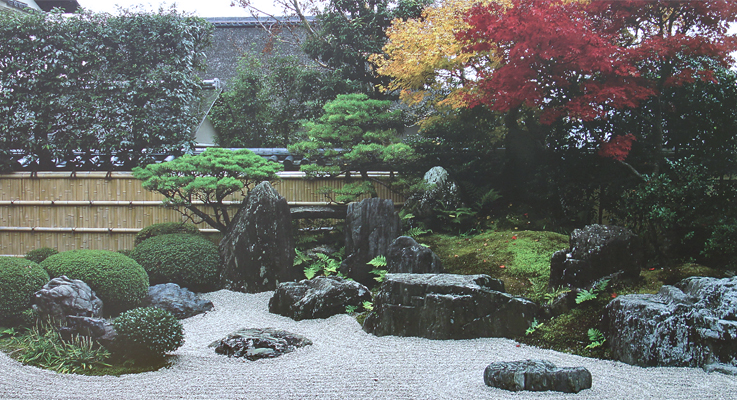
Next to the hall is a calm Zen garden (karesansui). It uses moss, rocks, and raked white gravel to create a dry landscape. This simple design helps visitors focus and reflect. The garden doesn’t use water, but the careful patterns in the gravel suggest flowing rivers or waves. It’s meant to guide the mind toward peace, stillness, and quiet thought.

Kōrin-in is also home to a traditional tea room called Kankyo-tei (涵虚亭). It is a small, quiet room used for the Japanese tea ceremony, also known as chanoyu.

This space follows the idea of wabi-sabi—finding beauty in imperfection and simplicity. Unlike grand tea rooms, Kankyo-tei is humble and intimate.

Kōrin-in is usually closed to the public. However, it opens for special events and tea ceremonies. If you’re lucky enough to visit, you’ll enjoy a quiet, authentic experience of Japanese Zen and tea culture.

Most people visit Daitoku-ji to see famous places like Ryōgen-in or Zuihō-in. But Kōrin-in is a hidden gem that offers a more personal and quiet connection to the past.

Do you want a garden guide about Korin-in?

2
← click here

Gallery

Subscribe to our Newsletter

Marketing Permissions

Agree to hear from Real Japanese Gardens:

You can unsubscribe at any time by clicking the link in the footer of our emails.
We use Mailchimp as our marketing platform.

Directions

How to get to the garden

From Kyoto Station by subway and city bus
Take the subway Karasuma Line from Kyoto Station to Kokusai Kaikan → Get off at Kitaoji Station. From the Aonori bus stop at Kitaoji Bus Terminal, take city buses 1, M1, Kita8, 204, 205, and 206.
Get off at Daitokuji-mae bus stop and walk for about 5 minutes [Estimated time: 35 minutes]


From Kyoto Station Karasuma Exit, take city bus
From the A3 bus stop, take city bus route 206 bound for Senbon-dori and Kitaoji Bus Terminal
Get off at Daitokuji-mae bus stop and walk for about 5 minutes. [Estimated time: 45 minutes]


From bus stop B3, take city bus route 205 to Nishioji-dori, Kinkakuji-Kitaoji Bus Terminal
Get off at Daitokuji-mae bus stop and walk for about 5 minutes. [Estimated time: 55 minutes] 

From Keihan Demachiyanagi Station to City Bus
From Demachiyanagi Station, take city bus route 1 bound for Nishigamo Garage
Get off at Daitokuji-mae bus stop and walk for about 5 minutes [Estimated time: 30 minutes]
From Hankyu Omiya Station or Randen Omiya Station, take the city bus


From Shijo Omiya, take city bus route 206 bound for Daitokuji/Kitaoji Bus Terminal
Get off at Daitokuji-mae bus stop and walk for about 5 minutes [Estimated time: 35 minutes]

View Google Map (Google Website)

Address

  • JP: 〒603-8231, 京都市 北区 紫野 大徳寺町80
  • EN: 〒603-8231, Kyoto-Shi, Kita-Ku, Murasakino, 80 Daitoku-ji-Chō

Official Website

Opening times

  • Opening Schedule: March 15 - June 15, 2025
  • Closed on: March 20th, 30th, and May 28th. (subject to change)
  • Opening Hours: 10:00am – 4:30pm

Admission fee

  • Adult 800 yen, 13-18 years old 400 yen, 7-12 years old 300 yen, Under 6 years old free (must be accompanied by adults).
  • (Discount-ticket in combination with Ōbai-in is available.)

Facilities & Accessibility

heelchair-accessible entrance.

Best time to visit

Only open in Spring. Special Exhibition: March 15th - June 15th, 2025

Map