A historic Tendai temple in Kyoto with two famous gardens and imperial heritage

A Kyoto temple of imperial heritage and two historic gardens

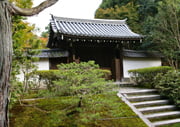
Shōren-in stands among the five Monzeki temples in Kyoto. These temples traditionally appoint head priests from the imperial family. It belongs to the Tendai sect, one of Japan’s oldest schools of Buddhism.

The temple began its history in the late Heian period. Starting with the sixth head priest, Dokaku, imperial family members led the temple for centuries. This lineage lasted until the Meiji era, reflecting deep ties between religion and royalty.

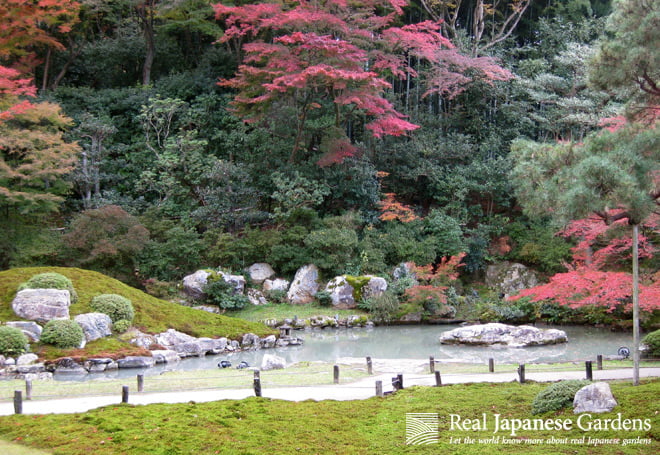
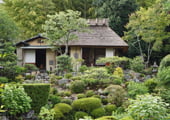
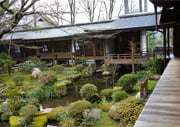
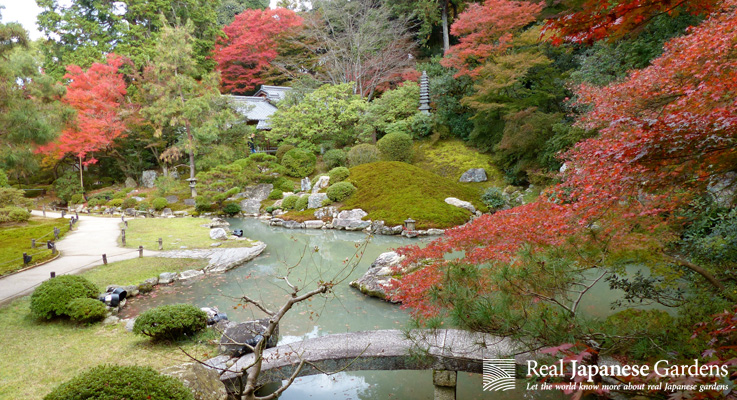
Importantly, the temple features two celebrated Japanese gardens. The first, Ryūjin-no-ike (Dragon God Pond), likely dates back to the Muromachi period and is credited to the artist Soami. The second, Kirishima-no-niwa, took shape during the Edo period, under the guidance of renowned garden designer Kobori Enshū.

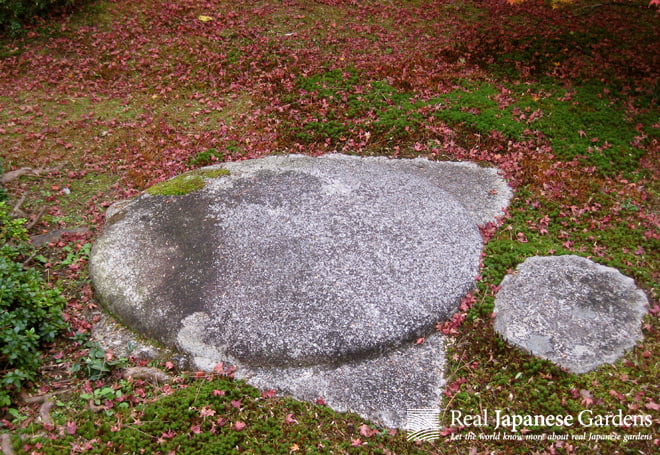
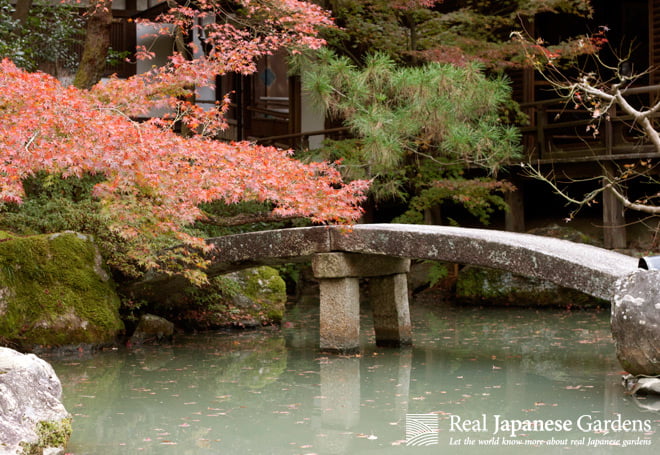
Both gardens highlight different aesthetics. However, they share a sense of refined simplicity. The moss-covered stones, carefully placed pine trees, and reflective pond invite visitors to slow down and observe.

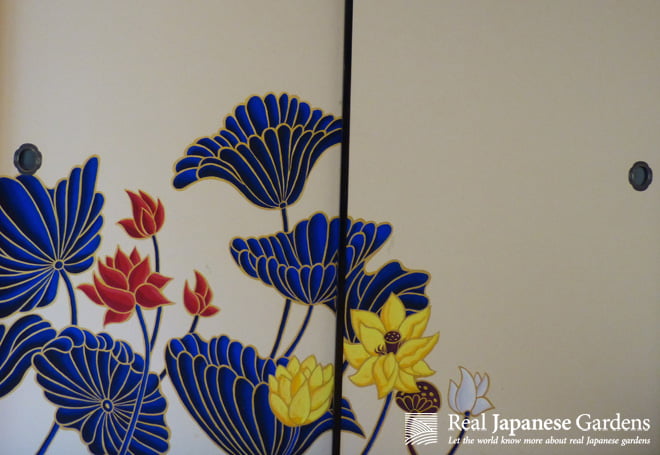
Even though Shōren-in appears in many guidebooks, it remains surprisingly peaceful. Tourists, both local and international, often describe the experience as calm and restorative. At every turn, one finds traditional tatami rooms, painted fusuma doors, and views of the seasonal garden landscape.

The grounds also include a teahouse and examples of Heian-period architecture. Together, they offer insight into the temple’s spiritual and aesthetic heritage.

If you are visiting Kyoto and enjoy historic gardens, Shōren-in belongs on your list. It delivers beauty, imperial tradition, and a sense of stillness that lingers long after you leave.

Read more in our eBook!

eBook cover Shoren-in temple Garden in Kyoto by Real Japanese Gardens

Shōren-in Garden Guide

Shōren-in is a temple in Kyoto known for its noble history and two historic gardens. One was designed by Soami, the other by Kobori Enshū. For centuries, its head priests came from the imperial family. Despite its fame, the temple offers a quiet place for reflection, art, and seasonal beauty.
Learn more before your visit—or revisit from home.

Buy Now
  • Introduction
  • History
  • Buildings
  • Gardens
  • Highlights
  • Anikas Impressions
  • Around Shōren-in

14 pages full of information about the temple
33 pictures of the gardens

PDF 18MB
The eBook is delivered as PDF.

Gallery

Subscribe to our Newsletter

Marketing Permissions

Agree to hear from Real Japanese Gardens:

You can unsubscribe at any time by clicking the link in the footer of our emails.
We use Mailchimp as our marketing platform.

Directions

How to get to the garden

10 min walk from Tozai Subway Line Higashiyama Station (東山駅) or Bus 206 to Chion-in mae (知恩院前).

View Google Map (Google Website)

Address

  • EN: 69-1 Awataguchi Sanjobo-cho Higashiyama-ku、Kyoto-shi
  • JP: 〒605-0035 京都府京都市,東山区粟田口三条坊町69−1

Opening times

  • 9:00 – 17:00 (last entry 16:30)
  • In spring and autumn longer during the lightup events.

Admission fee

  • Adults: 600 yen
  • High School and Junior High School Students: 400 yen
  • Elementary School Students: 200 yen

Facilities & Accessibility

  • The garden and temple are not barrier free.

Best time to visit

  • In spring for green moss and fresh maple leaves.
  • End of November - Beginning of December for autumn foliage.

Map